Exclusive Content:

Transitioning from Tax Accounting to Management Accounting: A Guide...

Mastering Breakeven Analysis for SME Clients: Insights from...

Study finds that Australia’s financial literacy strategy is inactive

Australia's Financial Literacy Strategy "Not Active" - Research...

Philadelphia’s Tax Policies Safeguard Small Businesses

Analysis of Tax Burdens on Businesses in Philadelphia...

IRS cautions public about fraudulent clean energy tax credit scheme

IRS cautions public about fraudulent clean energy tax credit scheme

IRS Warns Taxpayers of Scam Involving Clean Energy Tax Credits

The Internal Revenue Service (IRS) issued a warning on Wednesday about a new scam targeting taxpayers involving the purchase of clean energy tax credits. The scam involves unscrupulous tax preparers misrepresenting the rules for claiming clean energy tax credits under the Inflation Reduction Act of 2022.

The law includes provisions allowing taxpayers to purchase tax credits from investments in clean energy to offset their tax liability. However, some tax preparers are convincing their clients to file returns claiming they have purchased clean energy credits when they cannot actually benefit from the claim.

The scam primarily targets individuals who file Form 1040. Tax preparers are filing returns with improper claims of clean energy credits to offset income taxes from sources such as wages, Social Security, and retirement account withdrawals.

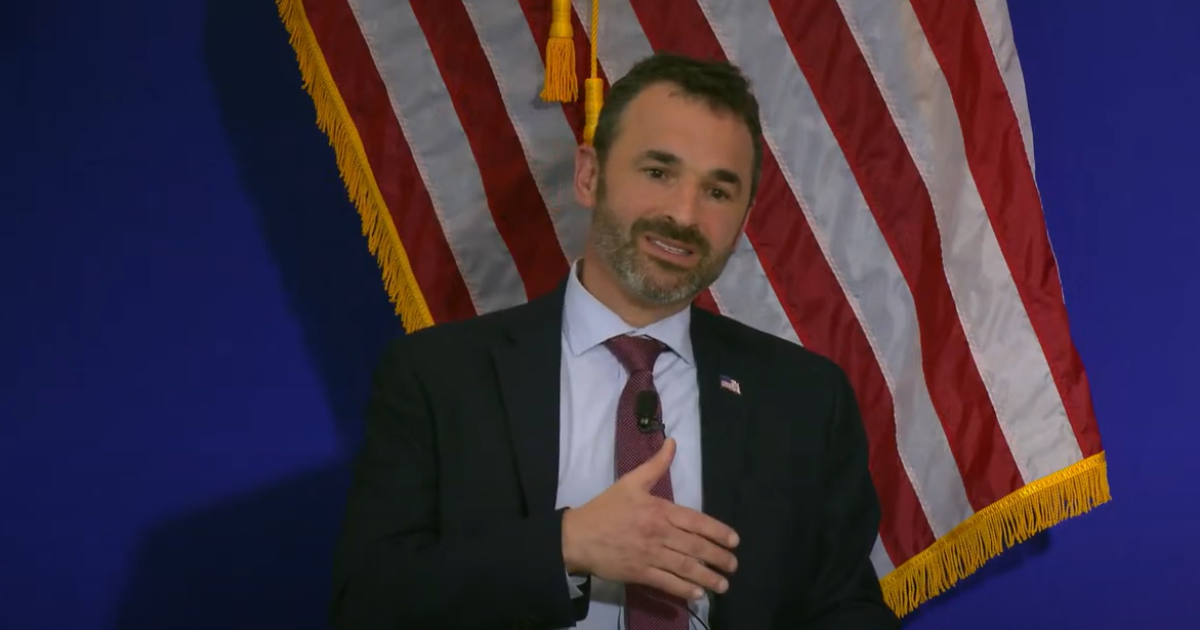
IRS Commissioner Danny Werfel warned taxpayers to be cautious of promoters pushing dubious credits like this one. He emphasized the importance of using a reputable tax professional before claiming complex credits like clean energy.

Individual taxpayers who claim inappropriate credits risk future compliance action by the IRS and may be responsible for repaying the inflated credit, plus interest and possible penalties.

In a separate development, the IRS announced reporting relief for businesses claiming tax credits for renewable energy and electricity projects. They will have an expedited way to report hundreds of such credits for 2023 on Forms 3468 and 8835.

The IRS is actively monitoring this scam and urges taxpayers to be vigilant and seek professional advice before claiming any questionable tax credits.

Latest

Transitioning from Tax Accounting to Management Accounting: A Guide to Diversifying Your Skillset

Mastering Breakeven Analysis for SME Clients: Insights from...

Study finds that Australia’s financial literacy strategy is inactive

Australia's Financial Literacy Strategy "Not Active" - Research...

Philadelphia’s Tax Policies Safeguard Small Businesses

Analysis of Tax Burdens on Businesses in Philadelphia...

Minister Declares Ottawa Will Not Intervene as Former Chief Sues Assembly of First Nations

Federal Minister of Crown-Indigenous Relations Declines to Govern...

Newsletter

Don't miss

HKA expands forensic accounting and commercial damages practice with three new experts

HKA Welcomes Three Experts to Forensic Accounting and...

Delta Air Lines CEO Challenges the Economic Tactics of Budget Airlines

Delta Air Lines CEO Critiques Low-Cost Carriers Amid...

Philadelphia’s Tax Policies Safeguard Small Businesses

Analysis of Tax Burdens on Businesses in Philadelphia by Daniel Xu Philadelphia Businesses Face Disparity in Tax Burdens, Pew Report Reveals A recent report by...

Survey of accountants shows that the “Millionaires tax” is...

Analysis of Massachusetts Millionaires Tax Impact on Wealthy Residents and State Revenue The Millionaires Tax in Massachusetts has been a hot topic since its...

Rich individuals are moving from Massachusetts to New Hampshire...

Accountants Warn of High-Income Residents Leaving Massachusetts to Avoid New Income Surtax Accountants Warn of High-Income Residents Leaving Massachusetts Due to New Income Surtax BOSTON...