
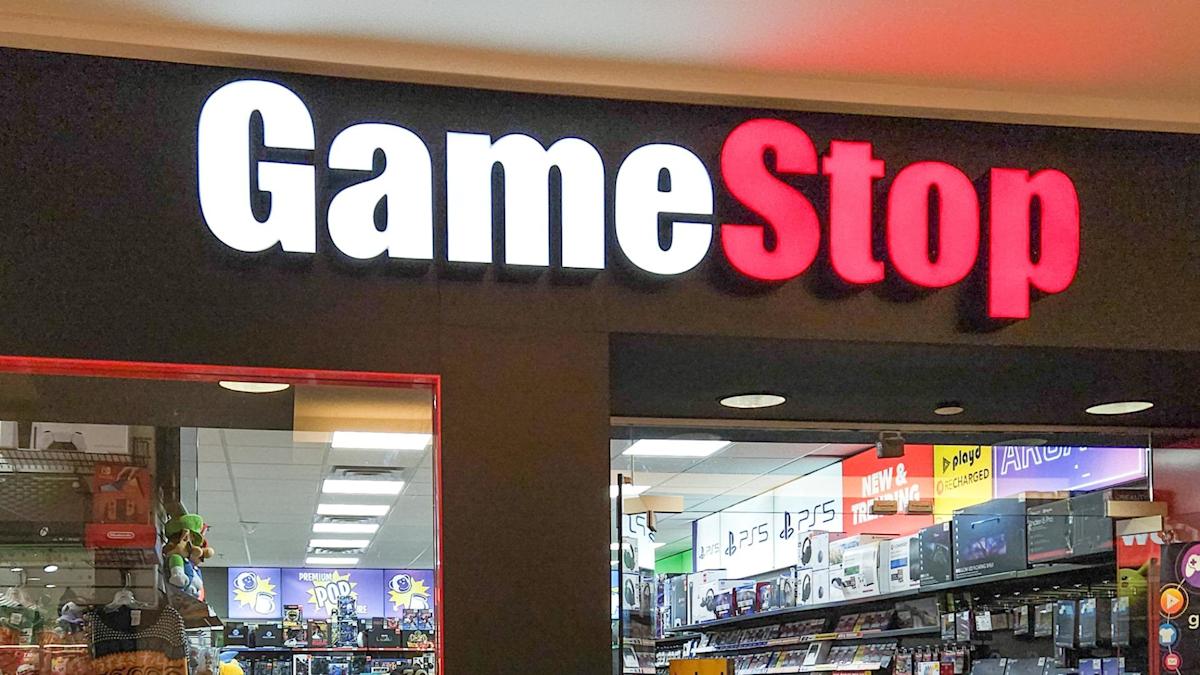
GameStop’s Financial Results Cool as Retail Investors Remain Interested
GameStop, the popular “meme stock” among retail investors, continues to make headlines as its financial results show a decline despite its ongoing popularity. The video game seller reported a loss of $32.3 million on revenue of $882 million in its fiscal first quarter, with sales of hardware, software, and collectibles all decreasing compared to the previous year.
Analyst Adam Crisafulli of Vital Knowledge noted that while the numbers were disappointing, they were in line with expectations based on a preannouncement made in May. The company’s stock plummeted by 39% to $28.22, prompting the New York Stock Exchange to pause trading in GameStop multiple times due to the stock’s unusually volatile behavior.
The recent surge in GameStop shares can be attributed to Keith Gill, also known as “Roaring Kitty,” who reappeared on social media after a hiatus. Gill, who owns approximately $116 million in GameStop shares, has been a vocal supporter of the company’s transformation from a brick-and-mortar retailer to a digital-focused business.
Despite the decline in sales, GameStop reported a net profit of $6.7 million for its 2023 fiscal year, a significant improvement from the previous year’s loss of $313.1 million. The company plans to raise $3 billion by selling 75 million shares, which will boost its cash holdings to around $5 billion.
Wedbush Securities analysts predict that GameStop will continue to lose money in its core business but could offset these losses with interest income from its high cash balance. Their 12-month price target for the stock is $13.50.
The return of Keith Gill, along with GameStop’s ongoing transformation efforts, has reignited investor interest in the company. Gill’s recent livestream on YouTube attracted over 1.2 million views, signaling continued enthusiasm for the stock among retail investors.
As GameStop navigates its transition to a digital-focused business model, investors will be closely watching its financial performance and strategic initiatives to determine the company’s long-term prospects in the ever-evolving gaming industry.